博文

Tips for choosing the right rock wool thickness for your project

图片
 Choosing the right custom rock wool thickness is crucial for achieving optimal insulation and soundproofing in construction projects. Improper thickness can lead to inefficient thermal performance or lower acoustic control, causing discomfort and increased energy costs. By understanding your project requirements and implementing effective strategies for selecting rock wool, you can significantly enhance the effectiveness of your insulation solutions, creating a comfortable and efficient environment. 1. Understand the R-Value Requirements Why: The R-value measures thermal resistance; a higher value indicates better insulation performance. Operation method: Evaluate your project’s thermal performance requirements to determine the necessary R-value based on climate, building size, and energy efficiency objectives. For example, in colder climates, targeting an R-value above 30 may be beneficial for roofing insulation. Guidance: This technique is suitable for homeowners looking to imp...

Single-Phase Immersed Dielectric Coolant: An Advanced Cooling Solution

图片
  With the growing demand for high-performance electronic systems, efficient cooling methods are critical for maintaining the reliability and longevity of sensitive components. One such cutting-edge technology is Single-Phase Immersed Dielectric Coolant, which provides a highly effective solution for dissipating heat in electronic equipment. This article will explore the benefits, applications, and working principles of this advanced cooling technique. What is Single-Phase Immersed Dielectric Coolant? Single-Phase Immersed Dielectric Coolant  refers to a cooling system where electronic components are fully submerged in a non-conductive liquid (dielectric fluid) that remains in a single phase—meaning it does not evaporate or change state during the cooling process. This dielectric fluid absorbs heat from the components, effectively reducing their temperature and preventing overheating without causing short circuits. Key Features and Properties Non-Conductive: The dielectric coo...

Hydroxypropyl Methylcellulose (HPMC) For Gypsum Plasters

图片
Gypsum plasters stand as a cornerstone in construction, offering versatility and durability. However, maximizing their potential requires the integration of innovative additives like Hydroxypropyl Methylcellulose (HPMC). Let's delve into the transformative benefits of  Hydroxypropyl Methylcellulose (HPMC) For Gypsum Plasters , exploring its diverse applications and advantages. What is HPMC and How Does it Work? Hydroxypropyl Methylcellulose, a cellulose ether derivative, acts as a crucial additive in construction materials. Renowned for its water-retention capabilities and adhesive properties, HPMC enhances the performance of gypsum plasters. Enhancing Workability and Durability: Improving Workability HPMC facilitates effortless application and smooth finishing, promoting optimal workability during plastering. Its unique composition ensures consistent thickness and adhesion, simplifying the plastering process for professionals and DIY enthusiasts alike. Boosting Durability By reinf...

Understanding Isobutyltrimethoxysilane: A Comprehensive Overview

图片
  Isobutyltrimethoxysilane is a chemical compound that belongs to the family of organosilicon compounds, playing a crucial role in various industrial applications. This article delves into the properties, applications, and significance of isobutyltrimethoxysilane, shedding light on its versatile nature. Chemical Composition and Structure Isobutyltrimethoxysilane, with the chemical formula (CH3)3SiOC4H9, is a type of silane coupling agent. Silane coupling agents are compounds that contain silicon, carbon, hydrogen, and oxygen atoms, with a specific arrangement that imparts unique properties. The isobutyltrimethoxysilane molecule consists of three methoxy (–OCH3) groups attached to a silicon atom, which is further linked to an isobutyl group (–C4H9). Properties of Isobutyltrimethoxysilane Isobutyltrimethoxysilane is known for its exceptional properties, making it a valuable component in various industrial processes. It is a colorless liquid with a characteristic odor, and its chemica...

What are the properties of cellulose ether?

图片
  Cellulose ether is a versatile and widely used polymer derived from cellulose, a natural polymer found in the cell walls of plants. Cellulose ether is modified cellulose, where some of the hydroxyl groups on the cellulose molecule are replaced with ether groups. This modification imparts a range of beneficial properties to cellulose ether, making it valuable in various industrial applications. In this comprehensive discussion, we will explore the properties of cellulose ether,   its  types, and its diverse applications. cellulose ether Properties of Cellulose Ether: Solubility:  One of the most significant properties of cellulose ether is its water-solubility. It dissolves readily in water, forming clear and stable solutions. This property is crucial for many applications where controlled viscosity, binding, or film-forming is required. Viscosity Control:  Cellulose ethers exhibit excellent thickening and rheological control properties. They can increase the v...

What is HPMC used for?

图片
 Hydroxypropylmethylcellulose (HPMC) is  a synthetic polymer  that has been widely used in various industries due to its excellent properties and adaptability. From pharmaceuticals to construction, food to cosmetics and more, HPMC plays a key role in improving product quality, stability and performance. Some common  uses of HPMC  include: Pharmaceuticals:  HPMC is used in pharmaceuticals as a binder, disintegrant, and release-controlling agent in tablet formulations. It helps to improve the dissolution rate of the drug and enhance the overall stability of the drug product. Food industry:  In the food industry, HPMC is used as a thickener, stabilizer and emulsifier in various processed foods, sauces, beverages and dairy products. It improves texture, provides moisture retention and prevents syneresis (separation of fluid). Construction:  HPMC is commonly used in construction materials such as cement-based mortars, tile adhesives and gypsum-based pr...

10 Frequently Asked Questions about SBR latex

图片
    What is SBR latex, and how is it produced?   SBR latex, or  Styrene Butadiene Rubber latex , is a synthetic latex emulsion derived from the polymerization of styrene and butadiene. It is produced through a process called emulsion polymerization, where the monomers are dispersed in water to form a stable latex.     What are the primary applications of SBR latex? SBR latex finds application in various industries, including adhesives, carpet backing, construction materials, and coated fabrics. It is commonly used as a binder in latex paints, mortar additives, and as a modifier in cementitious materials.     How does SBR latex enhance the performance of adhesives? SBR latex improves the adhesive properties by providing flexibility, adhesion, and durability. It is commonly used in carpet adhesives, paper adhesives, and construction adhesives to enhance the overall performance of the adhesive product.     What role does  SBR latex ...

Why is it important to add hpmc to tile adhesive?

图片
 Hydroxypropyl Methyl Cellulose (HPMC) is a commonly used additive in tile adhesives for several important reasons.  Adding HPMC to tile adhesive formulations  provides various benefits that enhance the performance and application of the adhesive in the context of tile installation. Here are some of the key reasons why  HPMC is important in tile adhesive : Improved Workability:  HPMC acts as a thickening and water-retention agent. It increases the workability of the tile adhesive, making it easier to mix and apply. The adhesive becomes more cohesive and can be spread smoothly and evenly onto the substrate. Water Retention:  HPMC helps the adhesive retain water, preventing premature drying and ensuring a longer open time. This extended open time allows installers to work with the adhesive for a longer period before it sets, which is particularly beneficial when working with larger or more intricate tile installations. Reduced Shrinkage:  HPMC helps redu...

The Power of EVA Hot Melt Adhesive

图片
  In the ever-evolving world of industrial manufacturing, efficiency and precision are paramount. One key element that often goes unnoticed but plays a crucial role is   hot melt glue . It's a versatile adhesive that has transformed the way industries operate, offering a plethora of advantages that can't be ignored. In this comprehensive guide, we delve into the world of hot melt glue and how it can revolutionize your industrial processes. Understanding Hot Melt Glue: What Is It? Hot melt glue also known as hot glue, is an adhesive that is solid at room temperature but liquefies when heated. It is typically applied using a hot glue gun or other specialized equipment. The magic lies in its ability to bond quickly and securely as it cools and solidifies, making it ideal for a wide range of applications. Versatility Across Industries Hot melt glue has found its place in an array of industries, thanks to its versatility. Here are some key sectors where it plays a pivotal role: Pac...

Understanding the Safety and Side Effects of PROTAC-Based Therapies

图片
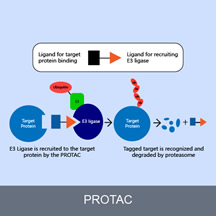
As   PROTACs (Proteolysis Targeting Chimeras)   emerge as a promising frontier in targeted drug therapy, it's crucial to not only acknowledge their potential but also understand the safety profile and potential side effects associated with these innovative molecules. In this article, we'll explore the safety considerations and side effects of PROTAC-based therapies to provide a comprehensive understanding of their impact on patients and the future of medicine. Safety Considerations for PROTAC-Based Therapies Precision Targeting: One of the primary advantages of PROTACs is their precision in targeting specific disease-associated proteins. This precision reduces the risk of affecting non-target proteins, minimizing adverse effects. Reduced Off-Target Effects: Compared to traditional drugs, PROTACs are designed to reduce off-target effects, meaning they are less likely to impact healthy cells and tissues. Potential for Lower Dosing: The specificity of PROTACs may allow for lower ...

WHAT ARE SURFACTANTS AND HOW DO THEY WORK?

图片
  Surfactants   are some of the most versatile products in the chemical industry. They are used in every industry, from household detergents to drilling mud, from food to pharmaceuticals. Basics of surfactants Surfactants are amphiphilic molecules with hydrophobic and hydrophilic parts. The hydrophobic tails are hydrocarbons, fluorocarbons or siloxanes. Surfactants are usually classified according to their polar heads, since the hydrophobic tails are usually similar. If the head group has no charge, the surfactant is referred to as a  Nonionic Surfactant . If the head group has a negative or positive charge, it is referred to as anionic or cationic, respectively. If it contains both positive and negative charges, the surfactant is called amphoteric. Anionic Surfactants By far, nonionic and  Anionic Surfactants  are the most used surfactant types in industry. Anionic surfactants are particularly suitable for cleaning products such as laundry detergents and shampo...

Hydroxypropyl Methylcellulose (HPMC): A Multifunctional Marvel in Industries

图片
  Hydroxypropyl Methylcellulose (HPMC)   is a versatile compound that has found its way into an array of industries due to its unique properties and diverse applications. This comprehensive article aims to illuminate the characteristics, functionalities, and wide-ranging uses of HPMC, highlighting its significant contributions across various sectors. Grasping the Basics of Hydroxypropyl Methylcellulose (HPMC) A Modified Cellulose Derivative Hydroxypropyl Methylcellulose (HPMC) is derived from cellulose, a natural polymer found in plant cell walls. Through chemical modification, hydroxypropyl and methyl groups are introduced to enhance its solubility and performance properties. Solubility and Versatility HPMC exhibits exceptional solubility in water, making it a readily dispersible compound that finds application in a variety of contexts. Its versatility arises from its ability to modify its viscosity and gelation behavior based on concentration and environmental factors. Diver...

Accelerate Your Research with Custom Organic Synthesis Services

图片
Organic synthesis   is the foundation of modern chemistry, enabling the creation of diverse and complex molecules essential for various industries, including pharmaceuticals, agrochemicals, and materials science. While standard chemical compounds are readily available, researchers often encounter unique challenges that demand custom-made molecules. In such cases, Custom Organic Synthesis Services come to the rescue, providing tailored solutions to accelerate research and innovation. What is Custom Organic Synthesis? Custom Organic Synthesis involves the design and creation of organic compounds according to specific requirements provided by researchers and industries. These services bridge the gap between off-the-shelf chemicals and the need for novel, tailored molecules. The synthesis process is meticulously carried out by skilled chemists, following a series of reactions and purification steps to achieve the desired product. The Benefits of  Custom Organic Synthesis Services ...